

The Chinese New Year: A Celebration of Culture, Tradition and Culinary Delights
- Samantha Keogh
- Jan 24
- 9 min read

From golden spring rolls to sweet Nian Gao, every dish on this list tells a story of prosperity and happiness. Start your Year of the Snake with these 15 must-try Chinese New Year foods.

The Chinese New Year, also known as the Spring Festival, is a vibrant celebration which marks the start of the lunar calendar. This year’s festivities begin on January 29 and herald in the Year of the Snake. In Chinese culture, the New Year symbolizes new beginnings and the renewal of life. It is more than just a single day of fireworks and red envelopes; it’s a 15-day journey filled with family reunions, cultural traditions, and, of course, exceptional food. The New Year is a time when people come together to honour deities, ancestors, and family ties. The Spring Festival is steeped in traditions and practices that date back centuries.
The preparations for Chinese New Year begin well before the arrival of the first day. Homes are thoroughly cleaned to sweep away any ill fortune and make way for incoming good luck. People decorate their houses with red lanterns, couplets, and paper cuttings, all symbolizing prosperity and happiness. The colour red is predominant as it is believed to ward off evil spirits and bring good fortune.
In Chinese culture, food isn’t just sustenance, it’s a language, a storyteller, and a symbol of fortune. Every dish served during the New Year carries a wish for prosperity, happiness, or health. One of the highlights of the Chinese New Year is the Reunion Dinner, held on New Year’s Eve. It is a grand feast that brings family members from near and far together. The dinner is a symbol of family unity and often involves multiple courses, each with its own auspicious meaning. Traditional dishes such as dumplings, fish, and glutinous rice cakes are staples of the meal.
In this week’s blog we examine 15 lucky foods commonly consumed over the Spring Festival period. Whether you’re a seasoned foodie or just looking for a culinary adventure, exploring these lucky foods will inspire your taste buds and perhaps even bring a little extra luck into your life.
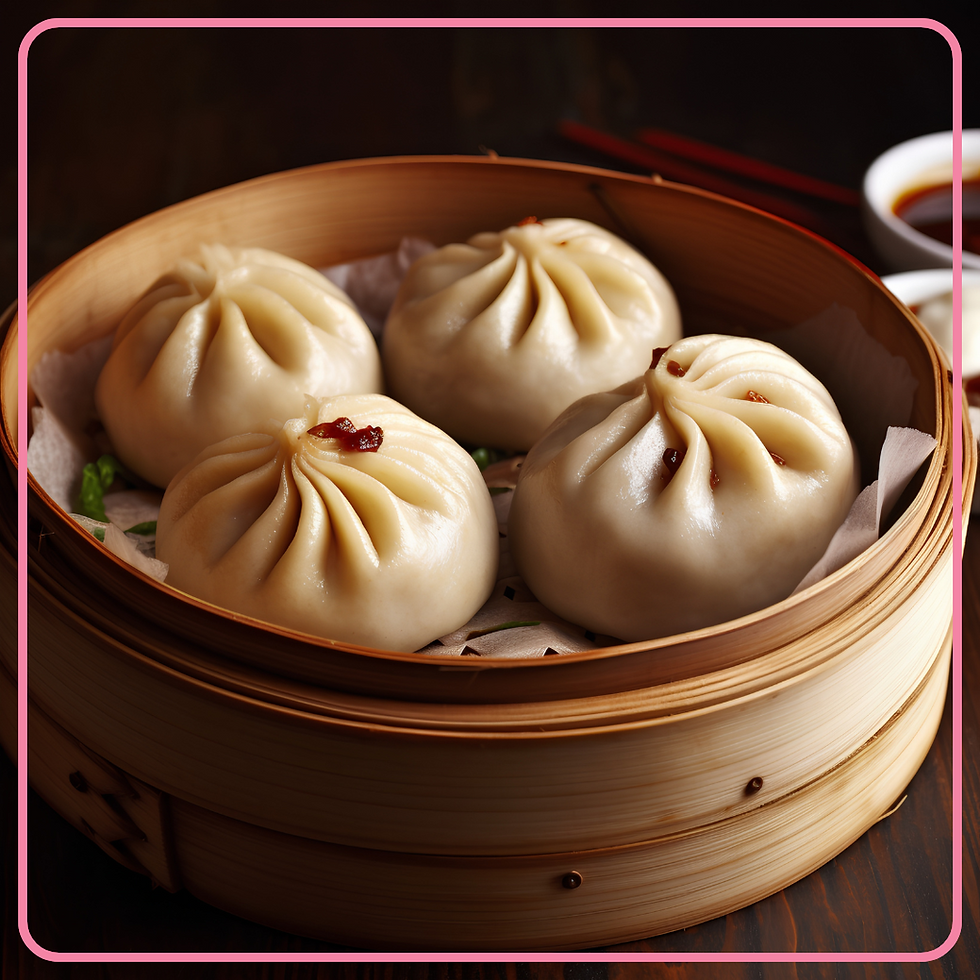
Dumplings (Jiǎnzi)
Nothing says Chinese New Year like a plate of freshly steamed dumplings. Shaped like ancient Chinese ingots, these delicate morsels symbolize wealth and prosperity. Dumplings are made from a thin dough wrapper filled with a savoury mixture of ground meat (pork, chicken, or shrimp) and finely chopped vegetables including cabbage, mushrooms or scallions. Traditionally, families gather around a table on New Year’s Eve to prepare them together. Each person pitches in to roll, fill, and fold the wrappers into their signature crescent shape. For added excitement, some families tuck a single coin or a sweet filling into one dumpling, and it is believed this will bring extra luck to the person who finds it. These small treasures add a playful element to the meal, reminding diners to savour not only the delicious flavours but also the traditions and hopes for a prosperous year.
Nian Gao (Glutinous Rice Cake)
Nian gao, meaning "higher year," is a beloved Chinese New Year treat symbolizing growth and success. Enjoying this dish during the festivities conveys hopes for advancement in personal, professional, or academic pursuits. Traditionally made from glutinous rice flour, sugar, and water, nian gao has a dense, chewy texture that is both comforting and indulgent. It’s typically steamed to enhance its natural sweetness but can also be sliced and pan-fried, creating a caramelized crust that contrasts with its soft interior. Nian gao comes in sweet and savoury variations, reflecting diverse traditions. Sweet versions often feature flavours like brown sugar, ginger, or coconut milk, while savoury options include Chinese sausage, shiitake mushrooms, and scallions, perfect for stir-fries or soups. The shape of nian gao also carries significance. Round cakes symbolize family unity and harmony, while rectangular forms are thought to resemble gold ingots, tying the dish to wishes of wealth and prosperity.

Spring Rolls (Chūn Juǎn)
Golden, crispy, and bursting with flavour, spring rolls are an emblem of wealth often associated with celebrations. Their cylindrical shape and golden hue resemble bars of gold, making them a must-have during the festivities. These delectable treats feature thin pastry wrappers encasing a flavoursome mixture of fillings. Common ingredients include julienned vegetables like cabbage, carrots, and bean sprouts, and protein such as shredded pork, chicken, or shrimp. The filling is typically seasoned with a blend of soy sauce, garlic, and a touch of sesame oil, creating a balance of savoury and aromatic flavours. They are typically served with a variety of dipping sauces that elevate their taste.
Eight-Treasure Rice
Eight-treasure rice is a delightful dessert traditionally enjoyed during Chinese New Year, symbolizing luck, prosperity, and harmony. Made from sweetened glutinous rice, the dish features eight carefully chosen ingredients, each with its own auspicious meaning. Common ingredients include red dates for prosperity, lotus seeds for fertility, walnuts and almonds for longevity, dried longan for family unity, raisins for sweetness in life, candied winter melon for health, and goji berries for vitality. The mixture is steamed to perfection, creating a sticky, fragrant base that contrasts beautifully with the textures of the dried fruits and nuts. Often, a drizzle of syrup, honey, or osmanthus flower sauce is added for extra flavour and a glossy finish. The number eight is significant in Chinese culture, representing wealth and good fortune, making this dish not only a visual feast but also a symbol of blessings for the year ahead.

Fish (Yú)
Fish is an essential dish during Chinese New Year celebrations since in Mandarin, the word for fish (yú) is a homophone for “surplus” or “abundance,” making fish a symbol of prosperity and good fortune. Serving a whole fish, with the head and tail intact, signifies a wish for plenty in the year ahead and represents a good beginning and end to the year. It also reflects a desire for unity and wholeness within the family or community. Steamed fish is one of the most popular preparations, as it emphasizes the natural freshness and tenderness of the fish. The fish is often steamed with a mixture of soy sauce, ginger, scallions, and a touch of sesame oil, creating a dish that is both healthy and full of flavour. For a heartier option, braised fish offers a richer taste, with ingredients like fermented black beans, chili paste, or garlic-infused soy sauce adding a bolder flavour profile. Families may save a portion for the next day, symbolizing surplus and reinforcing the festive theme of abundance and prosperity.
Peanuts
Peanuts are often roasted, boiled, or coated in sugar for a festive snack. They are a symbol of vitality, fertility, and longevity. Peanuts also appear in savoury dishes, such as stir-fried vegetables or braised pork, adding a nutty crunch and depth of flavour.

Longevity Noodles (Chángshòu Miàn)
Longevity noodles, also known as cháng shòu miàn, symbolize the wish for a long life and good health. The longer the noodle, the greater the blessings, so they are traditionally cooked and eaten without cutting or breaking them. These noodles are versatile and can be served in various ways, including a light, savoury broth or stir-fried for a richer flavour. The broth version often features aromatic ingredients like ginger, garlic, and soy sauce, while stir-fried noodles are typically tossed with a medley of colourful vegetables.

Tang Yuan (Glutinous Rice Balls)
Tang yuan, a traditional dessert, symbolizes family togetherness and unity. Made from glutinous rice flour mixed with water, the dough is kneaded into soft, pliable balls. These are often filled with sweet fillings like black sesame paste, peanut butter, or red bean paste, which melt into a luscious centre when cooked. Served in a warm, fragrant syrup infused with ginger and rock sugar, tang yuan offers a comforting blend of sweetness and subtle spice. The round shape of the balls represents completeness and harmony, reflecting the importance of familial bonds and wholeness during festive celebrations. In some variations, tang yuan can be enjoyed without fillings, rolled smaller, and served in colourful assortments. Tang yuan is a heartfelt dish that celebrates the joy of reunion and the hope for a harmonious year ahead.
Seaweed (Fá Cài)
Seaweed is a cherished ingredient during Chinese New Year, symbolizing wealth and prosperity due to its name sounding similar to "fortune" in Chinese. Dried seaweed is rehydrated before cooking, transforming it into tender, silky strands that absorb the flavours of accompanying ingredients. It pairs harmoniously with mushrooms, tofu, pork, or seafood, creating dishes that are both hearty and tasty. Common preparations include seaweed soup, often enhanced with dried scallops or shrimp, and stir-fried seaweed with garlic and soy sauce. Beyond its taste, seaweed’s symbolism and nutritional value (it is rich in vitamins, minerals, and antioxidants) make it a meaningful and healthy dish for New Year celebrations. Its presence on the table reflects hopes for abundance and prosperity in the year ahead.

Mandarins and Oranges
Mandarins and oranges are quintessential symbols of success and wealth during Chinese New Year, celebrated for their bright, cheerful appearance and auspicious associations. In Chinese, the word for mandarin (júzi) sounds similar to "luck," while the word for orange (chéng) is a homophone for "success." Their golden hue evokes the image of gold, making them powerful symbols of prosperity and good fortune. These fruits are not just decorative but also practical, serving as a refreshing palate cleanser between rich and heavy dishes. Their sweet, tangy flavour adds a burst of brightness to festive meals. Mandarins and oranges are often displayed in decorative bowls as a sign of abundance and shared with loved ones as thoughtful gifts. When given in pairs, they symbolize doubling the blessings of good luck and harmony.
Turnip Cakes (Lo Bak Go)
Turnip cakes, or loh bak go in Cantonese, are a savoury delicacy which are beloved for their rich flavours and auspicious symbolism. Made from grated Chinese radish (daikon), rice flour, and a mix of flavoursome ingredients like dried shrimp, Chinese sausage, and scallions, the cake has a dense yet tender texture that’s both satisfying and indulgent. After steaming, the cake is sliced into rectangular pieces and pan-fried until golden and crispy on the outside, with a soft, fragrant interior. This combination of textures makes turnip cakes a standout dish at festive meals. Their Cantonese name sounds like "good fortune" or "prosperity," adding to their popularity during New Year celebrations. Often served as part of dim sum or a family feast, turnip cakes are a symbol of blessings and success, making them a must-have for welcoming the year.

Whole Chicken
Whole chicken is a cherished dish which symbolises family unity, completeness, and prosperity. Its presentation with the head and feet intact underscores the wish for wholeness and that all aspects of life will be complete in the coming year. Traditional cooking methods include poaching, roasting, or braising, each enhancing the chicken’s natural flavours. Poached chicken, such as the popular Hainanese-style, is gently cooked in aromatic broth and served with delicious dipping sauces like ginger-scallion oil, soy sauce, or a splash of Shaoxing wine. Roasted chicken offers a golden, crispy exterior, while braised chicken is often cooked with mushrooms, soy sauce, and spices, resulting in a tender, umami-rich dish. The dish carries wishes for family harmony and a prosperous, fulfilling year ahead.
Sweet Rice Balls with Filling
Larger versions of tang yuan, these stuffed rice balls are a versatile addition to festive meals, offering both sweet and savoury options. Sweet fillings such as black sesame paste, red bean paste, or custard create a rich, satisfying dessert, while savoury versions with minced pork, mushrooms, or shrimp provide a hearty alternative.

Fortune Fruit
Fortune fruits, such as pomelos, grapefruits, and tangerines, hold special significance during Chinese New Year due to their vibrant colours, round shapes, and auspicious symbolism. The golden-orange hues of these fruits resemble gold, representing wealth and prosperity, while their circular shape signifies completeness and unity. Pomelos, in particular, are highly prized for their association with abundance and family harmony. In Mandarin, the word for pomelo (yòuzi) sounds like "to have" or "to protect," reinforcing its connection to blessings and prosperity. The fruit’s thick rind is thought to symbolize protection and security for the coming year, making it a meaningful gift during the celebrations. These fruits are often displayed prominently as decorative symbols of good fortune. When shared and eaten during the festivities, they not only bring symbolic blessings but also add a refreshing and tangy sweetness to the holiday feast.
Ba Bao Fan (Eight-Treasure Rice Pudding)
Distinct from eight-treasure rice, Ba bao fan, or "eight-treasure rice pudding", is a traditional Chinese dessert that symbolizes luck, prosperity, and harmony. This visually appealing dish is crafted by layering sweetened glutinous rice with an array of "treasures," including nuts, dried fruits, and candied peels. Common additions include red dates, lotus seeds, walnuts, raisins, and candied cherries, each representing a wish for good fortune, longevity, or happiness. The rice is often lightly sweetened with sugar or honey, providing a subtly sweet base that complements the rich, varied textures of the toppings. After steaming, the dish is sometimes glazed with a syrup made from osmanthus flowers or rock sugar, adding a fragrant and glossy finish. Carefully arranged in symmetrical patterns, ba bao fan is not only a delicious dessert but also a centrepiece that reflects the artistry and symbolism of Chinese culture.

Celebrate With Luck on Your Plate
The Chinese New Year is a time to reflect on the past and welcome the future with hope, gratitude, and a dash of culinary magic. These 15 lucky foods offer a delicious way to honour tradition while embracing the joy of cooking and sharing with loved ones. Whether you’re whipping up dumplings for the first time or experimenting with a show stopping eight-treasure rice, each dish is an opportunity to connect with the rich symbolism and vibrant flavours of this special holiday.
This Year of the Snake, let your kitchen become a place of discovery and creativity. These dishes aren’t just for celebrating - they’re for savouring, learning, and enjoying. Ready to start your journey into the world of Chinese New Year cuisine? Gather your ingredients, invite your loved ones, and let the festivities begin!


Comments