

From Chaos to Convenience: How Batch Cooking Can Transform Your Life
- Samantha Keogh
- Jan 31
- 6 min read

In today’s fast-paced world, finding the time and energy to prepare fresh, nutritious meals every day can be a challenge. Between work, family, and other commitments, it’s easy to resort to quick takeout or highly processed meals. That’s where batch cooking comes in!
Batch cooking is a meal preparation technique where you cook multiple portions of food at once, storing them for future use. This method not only saves time but also helps with budgeting, reduces food waste, and supports a healthier lifestyle.
Whether you’re a busy professional, a parent, or just someone who wants to make their life easier, batch cooking can be a game-changer. Let’s explore the benefits of batch cooking and some practical tips to get started.

Advantages of Batch Cooking
Saves time: One of the most significant benefits of batch cooking is the time it saves. Instead of spending hours in the kitchen every day, you dedicate one or two days a week to meal preparation. This means fewer evenings spent chopping, stirring, and cleaning up, freeing up time for other important activities. With batch cooking, you can prepare multiple meals at once, reducing the overall time you spend cooking throughout the week. This is especially helpful for those with demanding schedules who still want to enjoy home-cooked meals.
Reduces food waste: How often have you bought fresh ingredients only to forget about them in the fridge until they spoil? Batch cooking helps you plan and use up ingredients efficiently, minimizing waste and making the most out of your grocery shopping. By cooking in bulk, you can use perishable items before they go bad, store leftovers properly, and reduce the amount of food that ends up in the trash. Additionally, planning meals in advance ensures that every ingredient has a purpose, preventing unnecessary purchases and waste.
Saves money: Cooking in bulk allows you to buy ingredients in larger quantities, which often means lower costs per unit. You can also take advantage of grocery sales and discounts, stock up on pantry staples, and avoid the financial drain of last-minute takeout or restaurant meals. Since batch cooking prevents impulse grocery shopping and eating out, it helps you stick to a set food budget. Over time, you’ll notice significant savings as you rely more on home-cooked meals rather than costly convenience foods.
Encourages healthier eating: When meals are pre-planned and pre-prepared, it’s easier to make healthier choices. Instead of reaching for fast food, you’ll have nutritious, home-cooked meals ready to go. This is especially beneficial for those following specific dietary plans, such as vegetarian, keto, or gluten-free diets. With batch cooking, you have full control over ingredients, portion sizes, and nutritional balance, ensuring that you consume wholesome, well-balanced meals rather than processed alternatives loaded with unhealthy additives.
Reduces daily stress: The daily question of “What’s for dinner?” can become overwhelming. Batch cooking eliminates this stress by ensuring you have meals prepared and ready to eat. No more scrambling to put something together at the last minute! Having meals prepped in advance also means fewer last-minute grocery runs and less decision fatigue, allowing you to focus on other aspects of your day with peace of mind, knowing that dinner is taken care of.
Makes portion control easier: When you cook in bulk, you can portion out meals in advance. This is great for those who are trying to maintain a specific calorie intake, avoid overeating, or simply want to ensure balanced meals throughout the week. By dividing meals into individual portions, you avoid the temptation of second helpings and reduce food waste. This is particularly useful for weight management and ensuring consistency in your diet.
Improves cooking skills: Batch cooking helps you develop and refine essential cooking skills, from meal planning to efficient chopping techniques. Over time, you’ll become more comfortable in the kitchen and better at creating delicious, nutritious meals with minimal effort. As you practice batch cooking regularly, you’ll also learn to multitask effectively, use different cooking methods simultaneously, and experiment with new flavours and cuisines.
More variety and customisation: Cooking in batches doesn’t mean eating the same thing every day. You can prepare multiple meals with variations in flavours, seasonings, and side dishes. This allows you to mix and match meals throughout the week, keeping your diet diverse and enjoyable. For example, a batch of roasted chicken can be used in wraps, salads, stir-fries, or soups, providing variety while maintaining efficiency in meal prep.
Ideal for meal prepping for the entire family: For families, batch cooking makes mealtimes much smoother. Whether you have kids with different taste preferences or family members with dietary restrictions, making multiple meals at once allows for easy customisation without extra hassle. You can prepare meals in different portion sizes to cater to both adults and children, ensuring that everyone in the household has something they enjoy without the stress of daily cooking.
Supports a more sustainable lifestyle: By reducing food waste, using energy more efficiently, and relying less on single-use packaging from takeout meals, batch cooking contributes to a more sustainable lifestyle. Cooking in bulk minimizes your carbon footprint and promotes a more environmentally friendly approach to meal planning. When you prepare meals at home, you use fewer disposable containers and reduce reliance on processed foods that often come with excessive plastic packaging, making batch cooking a step toward a greener lifestyle.

Tips for Successful Batch Cooking
Plan your meals in advance: The key to successful batch cooking is good planning. Take some time each week to decide what meals you’d like to prepare, considering variety, nutritional balance, and the ease of storage. Write out a shopping list based on your plan to ensure you have all the necessary ingredients.
Choose versatile ingredients: Select ingredients that can be used in multiple dishes. For example, a large batch of roasted chicken can be used in salads, wraps, soups, and stir-fries. Grains like rice or quinoa can serve as the base for different meals throughout the week.
Invest in quality storage containers: Good storage containers are essential for batch cooking. Look for BPA-free plastic or glass containers with airtight lids to keep food fresh for longer. Consider portion-sized containers for easy grab-and-go meals.
Label everything: Clearly label your meals with dates and descriptions so you know what’s inside and how long it’s been stored. This prevents food from getting lost in the back of the fridge or freezer and ensures you use meals while they’re still fresh.
Cook in large batches but with variety: To prevent mealtime boredom, cook a few different dishes at once. For example, prepare a soup, a stir-fry, a pasta dish, and a grain-based meal. This way, you’ll have variety throughout the week without feeling like you’re eating the same thing over and over.
Store smartly: Refrigerate meals you plan to eat within the next few days and freeze the rest for longer storage. Soups, stews, and casseroles freeze particularly well. When freezing, portion meals into individual servings to make reheating more convenient.
Use a slow cooker or instant pot: Appliances like slow cookers and Instant Pots can make batch cooking even easier. They allow you to cook copious quantities with minimal effort, letting you set it and forget it while you focus on other tasks.
Reheat properly: To maintain flavour and texture, reheat meals gently. Some foods, like rice or pasta, may need a splash of water when reheating to prevent drying out. Always ensure meals are heated to a safe temperature before eating and avoid burning yourself on bowls that come out of the microwave.
Get creative with leftovers: Repurpose your batch-cooked meals in creative ways. Leftover roasted vegetables can be blended into soups, shredded chicken can be turned into tacos, and cooked grains can be used in grain bowls or stir-fries.
Make it a habit: Like any new routine, batch cooking gets easier with practice. Set aside a specific day each week for meal prep and gradually refine your process to suit your lifestyle. Over time, it will become a natural part of your weekly routine.
Experiment with different cuisines: To keep things exciting, try preparing meals from different cuisines. One week, focus on Mediterranean dishes, and the next, explore Asian-inspired flavours. This keeps your meal plan diverse and enjoyable.
Take advantage of freezer-friendly meals: Certain meals freeze better than others. Soups, stews, curries, and casseroles retain their taste and texture well when frozen. Keep a list of freezer-friendly recipes to rotate through your meal plan.
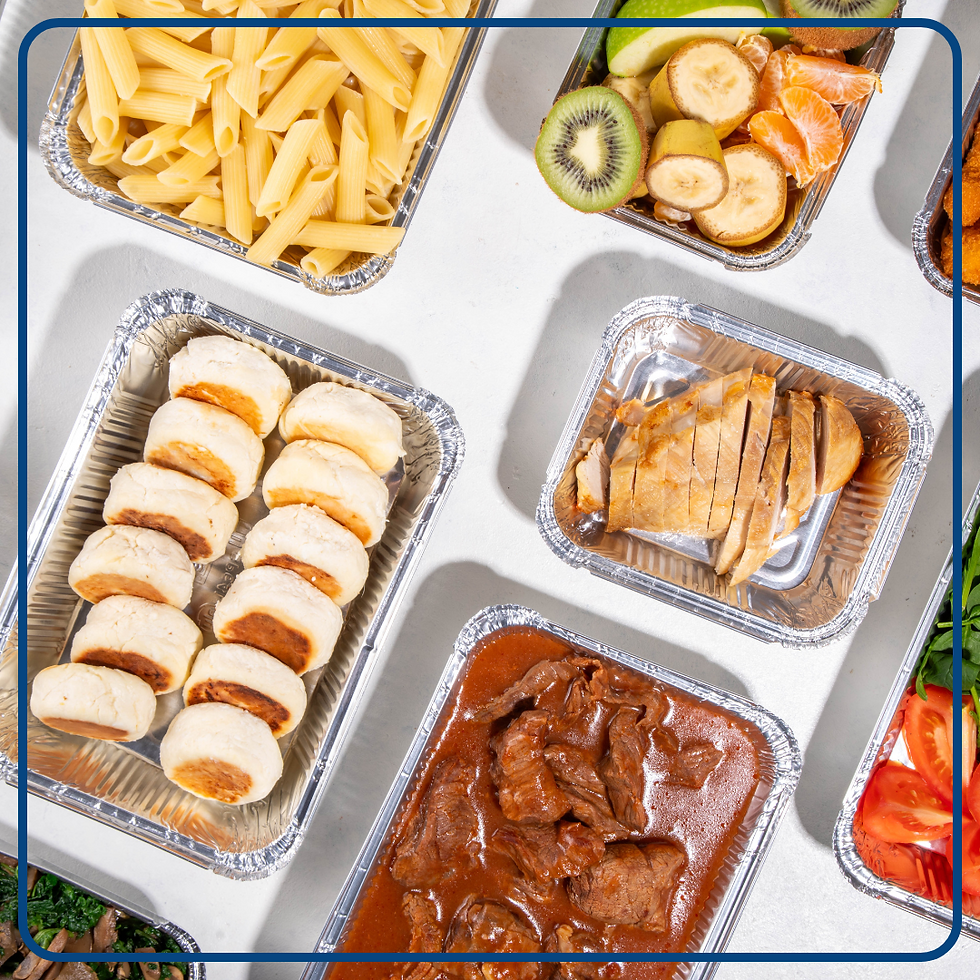
Batch cooking is an incredibly effective way to save time, money, and effort while ensuring you always have healthy, home-cooked meals on hand. By planning ahead, using quality ingredients, and following smart storage practices, you can make batch cooking a seamless part of your lifestyle.
Whether you’re cooking for yourself, your family, or even meal prepping for fitness goals, batch cooking is a practical solution that leads to healthier eating habits and less daily stress. Try it, and you’ll soon wonder how you ever managed without it.
Happy cooking!

Comments